


Lost on the Moon? KBR’s Tools Will Help Artemis Astronauts Find Their Way
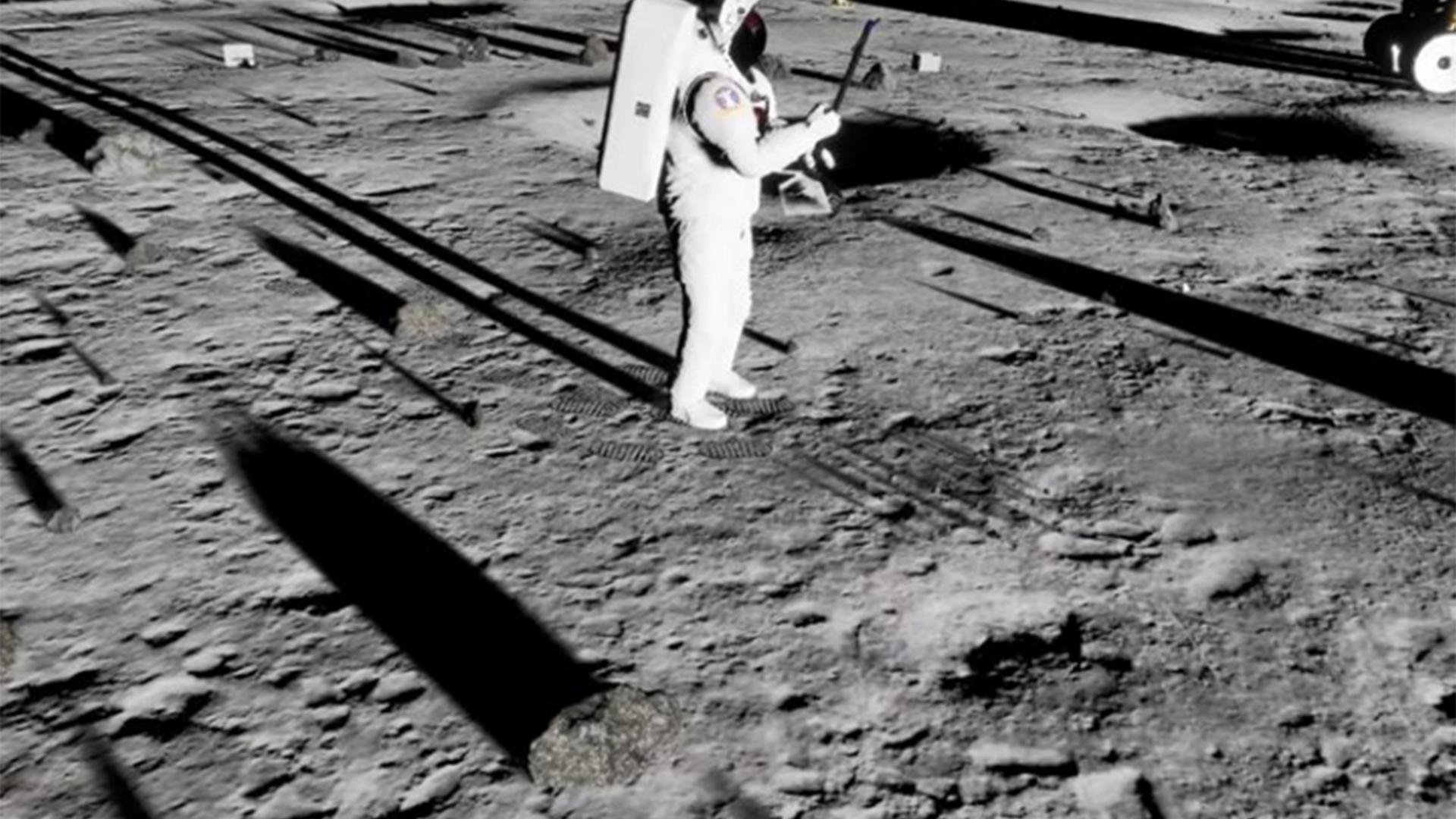
The Lunar South Pole is beautiful, otherworldly and treacherous. Shadows stretch for miles across craters, and the terrain is a stark mix of black and white that could easily become disorienting. For NASA’s Artemis astronauts, knowing exactly where they are – and how to get back to the lander – is essential for staying on track and completing their mission successfully and safely.
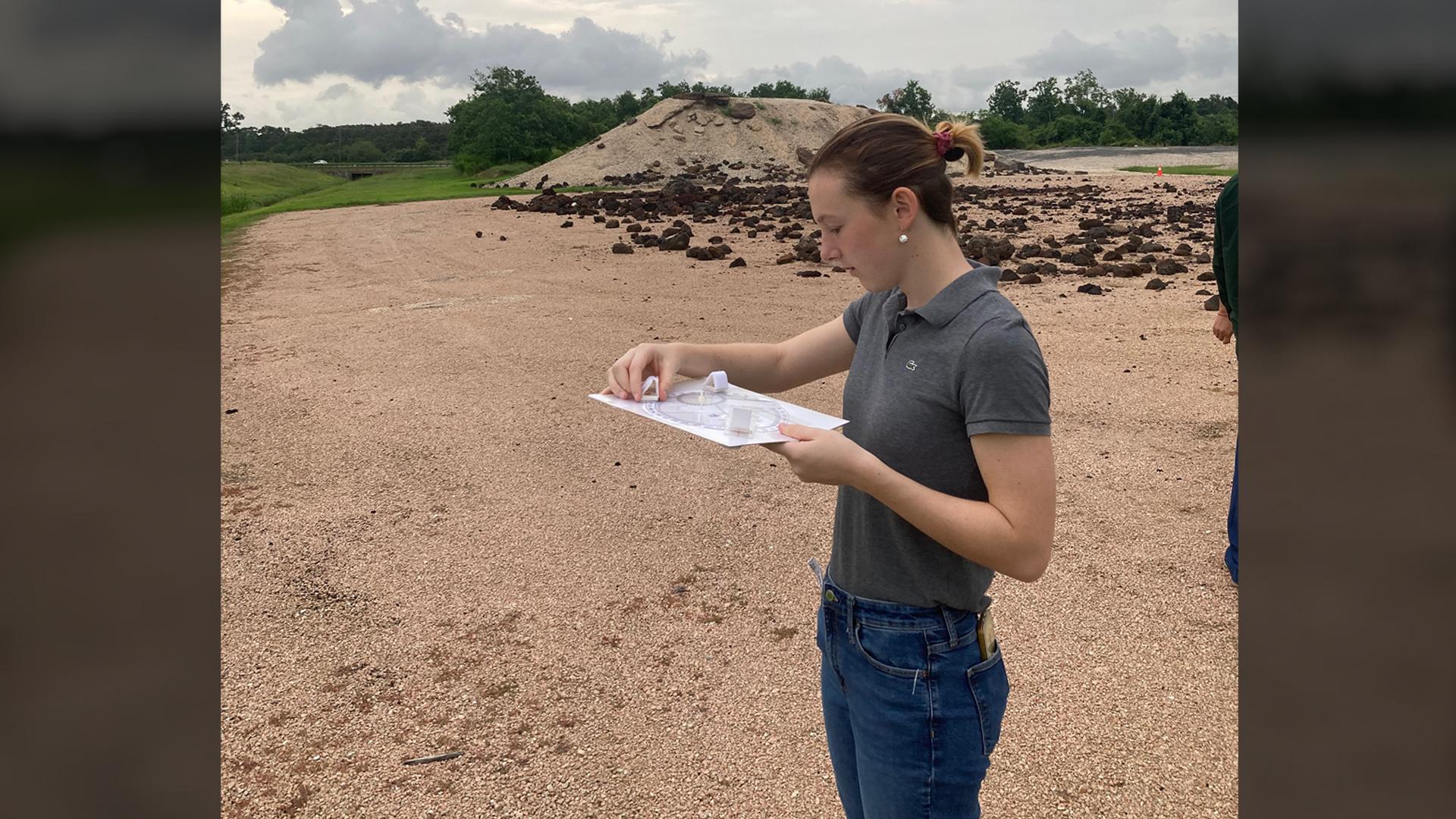
That's why KBR is developing a new set of lunar-orienteering tools. At first glance, they seem simple, but they’re built with one purpose: to help astronauts find their way even if electronic systems fail or if the moon’s rough terrain throws them off course.
“Navigation on the moon is already tricky,” said Sean Anderson, International Space Station flight controller and Exploration Extravehicular Activity Systems (xEVAS) lead at KBR. “The Lunar South Pole is a high-contrast environment with long shadows. If we want to expand our exploration capabilities, we need navigation tools to explore further and then return safely to the lander.”
The first tool is a modern take on a classic Apollo-era device: a sun compass. By aligning the shadow cast by the sun with a known shadow angle provided by Mission Control in Houston, astronauts can determine True North and bearings to other landmarks. The device is user-friendly with built-in calibration instructions so astronauts can quickly figure out where they are, even while wearing bulky gloves and helmets.
The second tool uses angular navigation to triangulate a position based on lunar landmarks. By citing three reference points and drawing lines to each on a map, the crew can pinpoint their location with minimal errors. This is critical for astronauts to determine their location on the map should they lose orientation and need to return quickly to the lander. Footprints can quickly become a confusing maze after the crew has walked around a site for a long time.
“It won’t take long before all the footprints and rover tracks are mixed to the point it looks like a bowl of spaghetti,” said Robbie Gest, a technical area lead for KBR. “Astronauts might not always know which ones are their most recent on their way back to the lander.”
For NASA’s Artemis III, astronauts will test these paper-based tools. The ultimate goal is to evolve them into an integrated electronic navigation system for Artemis V, giving crews real-time positional awareness while leaving a safety net of reliable, low-tech tools.
“This is about filling the gap,” Anderson said. “We start with paper tools, then move to electronic versions. At the end of the day, it’s about crew safety and making sure science objectives can be met.”
These tools aren’t just about navigation; they're about expanding what’s possible. With KBR’s devices in hand, astronauts can venture farther, conduct more science and return to the lander with confidence.
“If a lunar rover breaks down, it could potentially be far from the lander,” Anderson said. “The astronauts need a navigation tool that says, ‘This is where you are. This is the direction of the lander.’ It’s about confidence and safety out there.”
From Apollo’s first steps to Artemis’ ambitious goals, lunar navigation has come a long way. Thanks to KBR’s innovation tools, the next generation of explorers won’t just explore the moon’s South Pole – they’ll master it.